ummtaalib
-
Posts
8,470 -
Joined
-
Days Won
773
Content Type
Profiles
Forums
Events
Everything posted by ummtaalib
-
Settles attacking the Palestinians outside their homes in Sheikh Jarrah - state sanctioned violence FALASTINI ™️ (@falastiniteam) • Instagram photos and videos
-
-
Watch this interview! The Palestinian narrative has changed. Know the truth from the Palestinians themselves Manar Owais on Instagram: "يتبع بالعربية 👇🏼 My blood was absolutely boilingggg hearing their questions. Do yourself a favor and watch the whole thing, and while you're…"
-
Eye On Palestine (@eye.on.palestine) • Instagram photos and videos Note: Many posts have violent content which is part of the lives of the Palestinian people
-
Following in the Footsteps of Ibrāhīm ‘alayhis salām By Shaykhul-Hadīth, Hadrat Mawlānā Muhammad Saleem Dhorat hafizahullāh Upon the advent of Shawwāl, the months of hajj commence, during which much mention is made of Ibrāhīm ‘alayhis salām. The reason for this is that during this time of the year many Commands of Allāh ta‘ālā are such that they are connected directly to the life of Ibrāhīm ‘alayhis salām. Ibrāhīm ‘alayhis salām was from the forefathers of our beloved Prophet s. He was a great Prophet of Allāh ta‘ālā and Allāh ta‘ālā makes mention of him with high words in the Glorious Qur’an: In this verse he is referred to as an Ummah; although alone, he did such actions that even a whole nation together could not manage. Thereafter, Allāh ta‘ālā makes mention of some of his sterling qualities for which he was granted goodness and success in this world as well as the Hereafter. A distinguishing quality of his was that he was totally obedient to Allāh ta‘ālā, worshipping only Him, and he was also grateful for the Favours of Allāh ta‘ālā upon him. This creed of Ibrāhīm ‘alayhis salām of being totally obedient to Allāh ta‘ālā and sacrificing everything for Him, was so loved by Allāh ta‘ālā that both the Prophet sallallāhu ‘alayhi wasallam and we, his Ummah, have been commanded to follow it: The reason why we have been instructed to follow in the footsteps of Ibrāhīm ‘alayhis salām is because this is the path leading to success in both worlds. It is a norm in this world that when a person wishes to excel in any field, he will take someone in the same field that has been successful as a role model. This applies whether a person wishes to become a teacher, a politician, a scientist, etc. So, regarding Ibrāhīm ‘alayhis salām, the Qur’ān has declared that he is a role model for those searching for success in both worlds, and he should be followed. It is for this reason, Allāh ta‘ālā has declared that only a foolish person will not follow the path and creed of Ibrāhīm ‘alayhis salām. Allāh ta‘ālā says: The question remains as to what this creed of Ibrāhīm ‘alayhis salām actually is that we are told to follow. Allāh ta‘ālā makes this clear in the next verse: This is the basis of his creed and the blueprint of his success. He submitted totally to the Will of Allāh ta‘ālā. In other words, he was a true and complete Muslim. Once a person accepts the Faith by acknowledging the authority of Allāh ta‘ālā and the finality of the Prophet sallallāhu ‘alayhi wasallam together with the other articles of Faith, he becomes a mu’min (believer). Now, when he becomes totally obedient to the Commands of Allāh ta‘ālā he becomes a Muslim; a true, perfect and complete Muslim will always give preference to the Commands of Allāh ta‘ālā at all times. When Ibrāhīm ‘alayhis salām was still young and he understood the oneness of Allāh ta‘ālā, he found that the entire community was against him - even his father. However, he stayed firm and gave preference to Commands of Allāh ta‘ālā over everyone and everything. This is a Muslim, one who gives preference to Allāh ta‘ālā in all situations and circumstances. Imagine, how difficult it is for a young man to live without the support of his father, with fear of poverty and humiliation. Yet, Ibrāhīm ‘alayhis salām complied with the Command of Allāh ta‘ālā and left his father. Later, when the tables were turned, and he was in need of a young son to support him, he was ready to be compliant with the Command of Allāh ta‘ālā and sacrifice his son. Such was his submission to the Commands of Allāh ta‘ālā. The institution of hajj also teaches the same lesson of being compliant with the Commands of Allāh ta‘ālā. To apply ‘itr, wear a hat, trim nails, etc. are all acts which are expected of a Muslim, yet, when a person is on the pilgrimage and in ihrām he is ordered to refrain from this. Has anyone performing hajj ever questioned these commandments or has he happily complied? Similarly, we are told to circumambulate the Ka‘bah 7 times. Has anyone ever questioned why it is 7 times and not any other number? The reward for salāh performed in Makkah Al-Mukarramah is multiplied manifold yet we are told to read our salāh at Minā during the days of Minā. Salāh has its prescribed times, yet in ‘Arafāt we are told that pending on certain conditions, you must read both Zuhr and ‘Asr salāh at the time of Zuhr. Similarly, in Muzdalifah, we must read Maghrib and ‘Ishā salāh at the time of ‘Ishā. Has anyone ever questioned these Commands of Allāh ta‘ālā or have they willingly, wholeheartedly, without any questions, simply complied? The udhiyah performed at the end of the hajj as well as that which those at home perform is also an indication towards the same ideology. The sacrifice of an animal shows us that just as we can sacrifice our wealth in performing udhiyah; similarly, in all other spheres of our life too we should be subservient to Allāh ta‘ālā and sacrifice our desires for His. In conclusion, the life of Ibrāhīm ‘alayhis salām, the time of hajj and the udhiyah we perform all point to the ideology of Islam which is submitting to Allāh ta‘ālā by sacrificing our desires without questioning. May Allāh ta‘ālā grant us the ability to take heed from these lessons. Āmīn. Extracted from Riyādul Jannah, Vol. 19 No. 11, 2010 © Riyādul Jannah
-
Think positive, be productive What is Positive thinking? Positive thinking doesn’t mean ignoring problems in life. It means to approach the problems in a more positive and productive way. Expecting the best and not the worst! Our thinking often starts with self-talk. Self-talk is the endless stream of unspoken thoughts that run through our head every day. These automatic thoughts can be either positive or negative. If the thoughts that run through our head are mostly negative, our outlook on life will be negative. If our thoughts are mostly positive, then we will have a positive outlook towards life. It is up to us to decide whether we see the glass half full or half empty. How can we adopt a positive approach? If the first thoughts about any situation that has happened are negative, then taking the first step toward positivity is the solution. Thoughts are always under our control and can be changed. We can always try to follow certain ways to develop a positive attitude, such as: 1. Change the perspective: Thinking that the world is against you or that you were born unlucky has simply no basis. 2. Forget the past: A bad past does not mean a bad future. 3. Don’t be a product or a victim of your circumstances: If you’re not happy with the way your life is going, set goals and get moving! Learn from the past to build character and make better decisions. 4. Reminding yourself with positive quotes, sharing them with others and staying with positive people helps a lot. 5. Remember that life is too short to waste on negativity. 6. Be a balanced optimist: Stay prepared for the worst but hope for the best – the former makes you sensible, and the latter makes you an optimist. 7. Books on positivity are always a good read. 8. Count your blessings: Once you do that you will realize “And which of the blessings of our Lord will we deny?” (Surah Ar Rahmaan) 9. Be productive in your life: Set goals, break down work into smaller portions, don’t take on too many tasks at once, prioritize your work and cut off distractions. 10. Try to accept things rather than expecting a lot: It reminds me of a quote by my teacher: “I have learned to accept more than to expect. That’s why I have fewer disappointments in life.” Benefits of Positive Thinking: 1) Positive thinking helps us cope with stressful situations, ignore negative thoughts, reduce anxiety and gives us confidence, allowing us to make better decisions and focus more. 2) Good health: Our thoughts directly affect the body and how it works. So being positive helps us remain calm and take care of ourselves naturally. 3) Better time management: How many of us complain of wasting hours on end indulging in negative thoughts?! 4) Positive people attract more friends and it helps them stay happy and successful and they have greater peace in their life. It’s not about what happens to you, it’s about how you react to what happens! Nabi Sallallahu Alayhi Wasallam said, “Wondrous is the life of the Believer for there is good for him in every situation; and this is not for anyone except the Believer. If goodness comes his way and he is grateful, this is good for him, and if he is afflicted and endures patiently, this is also is good for him.” (Sahih Muslim) Jamiatul Ulama (KZN) Council of Muslim Theologians
-
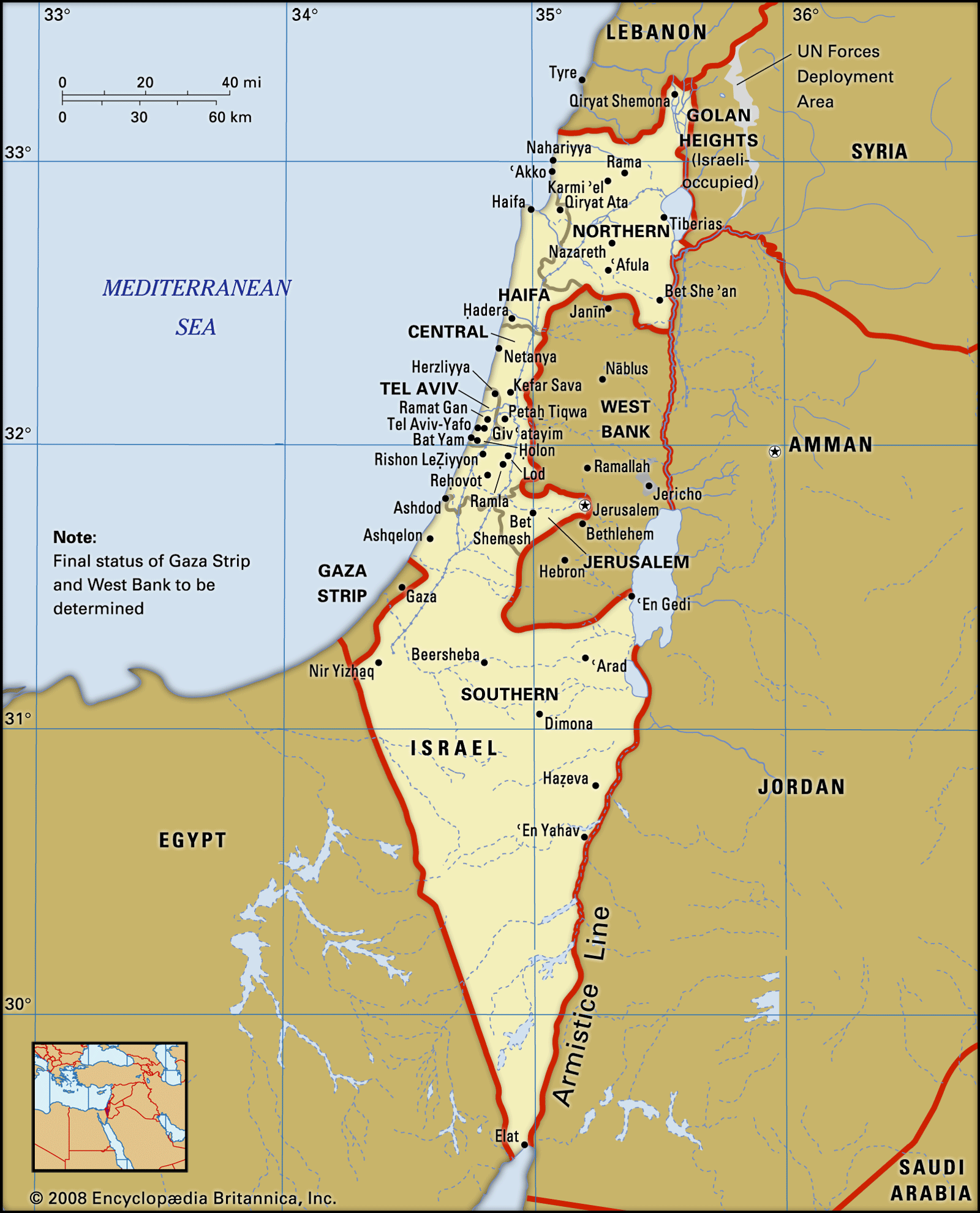
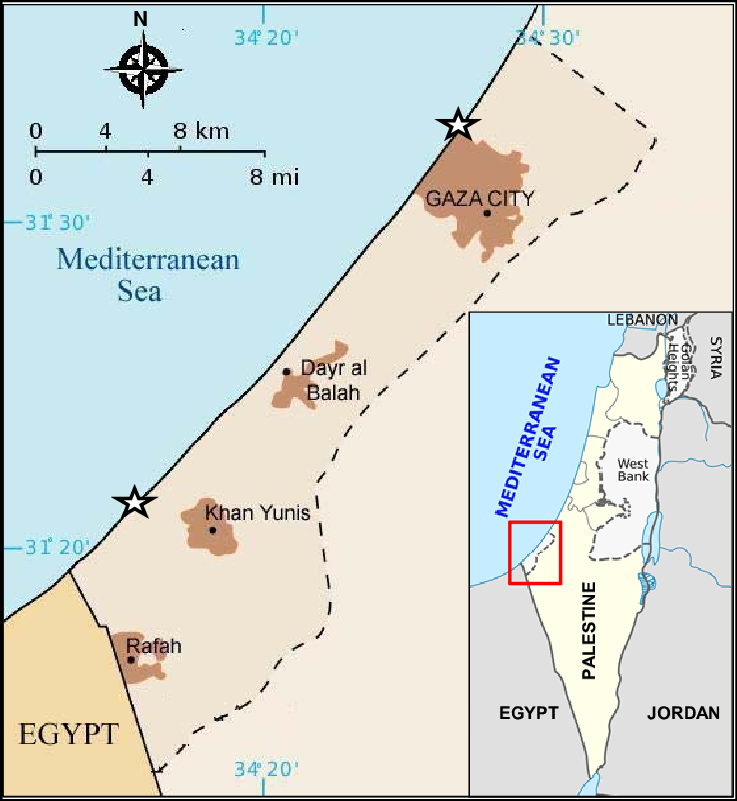
The tiny coastal enclave was part of historic Plaetine before Israel was created in 1948 and is one of the most densely populated places on earth and is home to approximately 1.7 million people. Three quarters of Gaza’s population are refugees who were expelled from the land that became Israel in 1948, and their descendants most of whom live in poverty due to Israel’s ongoing blockade and closure of the Strip’s borders. Gaza was captured by Egypt during the 1948 Arab-Israeli War and remained under Egyptian control until 1967, when Israel seized the remaining Palestinian territories in a war with the neighbouring Arab countries. Although it is part of the Israeli-occupied territories, the Gaza Strip was severed from the West Bank and East Jerusalem when Israel was created. A range of Israeli restrictions has since been created that further compartmentalises the Palestinian territories.
-
Mapping Israeli occupation AlJazeera In the following series of graphics Al Jazeera describes why Israel’s military occupation of Palestine remains at the core of this decades-long conflict and how Israeli colonialism shapes every part of Palestinians’ lives INTERACTIVE-Ethnic-cleansing.webp INTERACTIVE-Palestinian-residents-of-Israel.webp INTERACTIVE-Jerusalem-a-divided-city.webp INTERACTIVE-West-Bank.webp INTERACTIVE-Illegal-Israeli-settlements.webp INTERACTIVE-Israeli-Checkpoints.webp INTERACTIVE-Separation-wall.webp INTERACTIVE-Blockade-of-the-Gaza-Strip.webp INTERACTIVE-Palestinian-refugee-camps.webp
-
Bordered Egypt and Israel, the Gaza Strip is a narrow strip of Palestinian territory about 365 sq km, about the size of Cape Town, Detroit, or Lucknow.

-
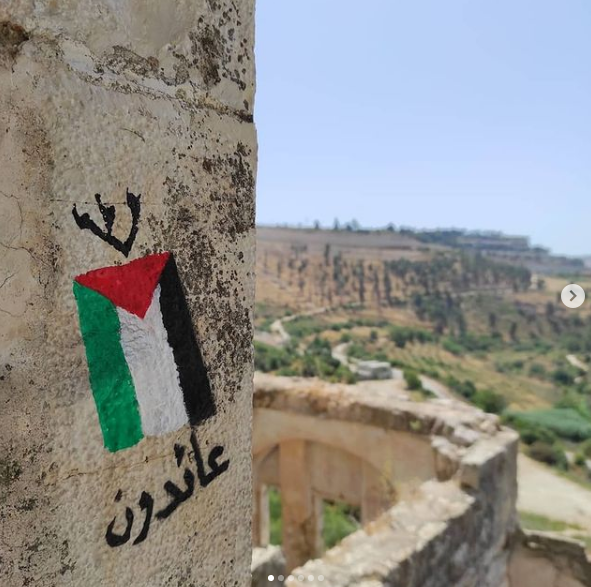
 Yesterday, June 12, the Palestinian flag was painted on each door of the houses of Lifta village, whose residents were forcibly displaced because of the Nakba (1948), and the phrase “we will return” was written on the doors of the displaced houses, signifying the affirmation of the return and that we will not leave Lifta and will not allow the occupation forces to carry out their plans to destroy Lifta and build a new Jewish neighborhood on what was left of this village.The flags were painted in a specific position, a specific place on the sides of the doors, with a specific symbol above them, the letter ש. The reason is that this is a joint action by Palestinians and anti-Zionist Jews who are resisting the occupation together.This is a reference to the Jewish "Mezuzah", one of the most ancient traditions of the Jewish people, who put a special box with a sacred scroll inside it on the sides of the doors to their houses (the letter ש symbolises one of the holiest names of God, which is written in each and every Mezuzah). This is meant to protect the home, and anyone living or staying in it. This practice is of high significance to the Jewish people, since it originated from the story of Moses liberating them from being slaves in Egypt - a story they tell each year on the holiday of Pesach (Passover in English).For the Jews, their liberation from Egypt is one of the most symbolic stories in their religion. It has now been used in a striking way to address the occupation in its own language. This symbol is to express their freedom and protection while they occupy the land and people of Palestine ! This time it was used to remind the occupying state and the Zionist regime of the following : 1. The Palestinians deserve to be free, too.2. The homes of Palestinians from which they were expelled and from which they are still being expelled also deserve protection.3. The Palestinian right of return is sacred and guaranteed by all international forums and United Nations resolutions (Resolution No. 194).4. The Jews who participated in this work recognize the Nakba and what happened to the Palestinian people in 1948, and that this slogan is to challenge the occupation and remind it of the truth that it has always tried to obliterate.Over one of the door arches, they wrote the quote from the Torah, in which God commanded the Jews to put his name on each and every door of their houses :"וּכְתַבְתָּם עַל מְזוּזֹת בֵּיתֶךָ וּבִשְׁעָרֶיךָ"The bodies of the adults have left, but the young have inherited the truth and followed the paths of their fathers and grandfathers. Eye On Palestine (@eye.on.palestine) • Instagram photos and videos
-
- 1
-

-
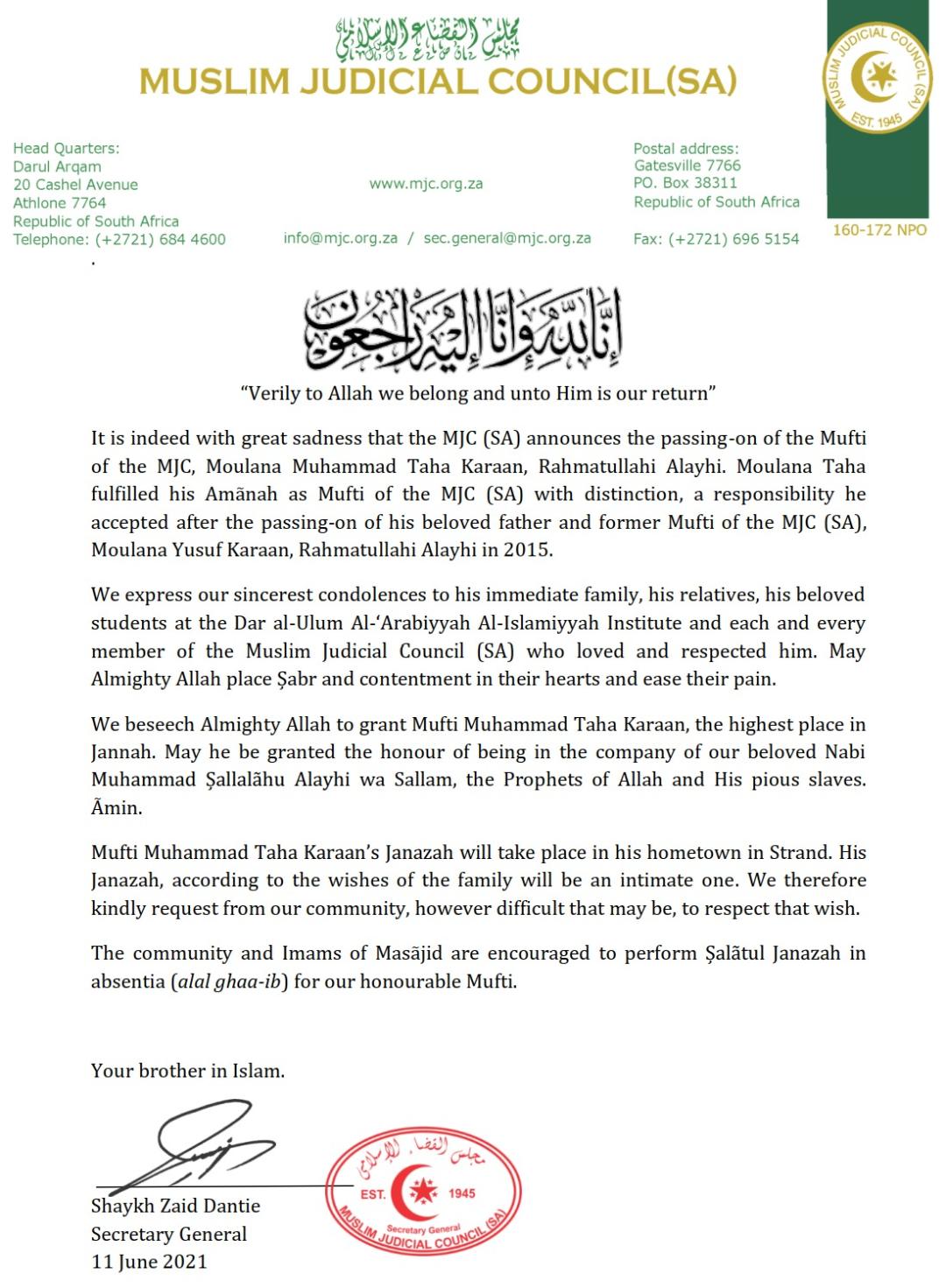
Obituary – Moulana Taha Karaan (Rahimahullah) The Ummah mourns the loss of yet another great scholar of Islam, Moulana Muhammad Taha Karaan (Rahimahullah), a renowned Shafi’i scholar from Cape Town, South Africa. His father, Moulana Yusuf Karaan (Rahimahullah), was one of the oldest and most distinguished Islamic scholars in the Cape as well. Moulana Taha completed his Qur’anic memorization in one year at the Waterfall Islamic Institute (Mia’s Farm), the oldest Islamic seminary in South Africa. During his stay, he assisted in the editing of the Qur’anic prints that the Institute has become famous for the world over. After finishing four years of the Aalim course in two years, he journeyed to the Indian sub-continent and attended Darul Uloom Deoband, graduating from there in 1991 with the highest of distinctions – as did his father – in a class of over 700 students. He then travelled to the Middle East and completed a two-year graduate diploma at the Higher Institute for Islamic Studies in Cairo, Egypt. He was a scholar renowned for his encyclopaedic knowledge, amazing memory, and research on various contemporary issues. Together with serving in the Fatwa Department of the MJC he was also the principal of Darul Uloom Al-‘Arabiyyah Al-Islamiyyah in Strand, Cape Town. Worthy of note were his tireless effort in educating the ummah with regards to the threat of Shi'ism and defending the honour of the Ahlul Bayt and Sahabah Radiyallahu anhum. He founded the Mahajjah Institute (mahajjah.com) with a special focus on academically responding to the false allegations of the Shia and protecting the Imaan of the masses. His students describe him as divinely-gifted with encyclopaedic knowledge; possessed of a near-photographic memory; an insatiable bibliophile within the Islamic sciences and beyond; a teacher that never ceased to inspire; endowed with an elegant calligraphic hand and a penchant for poetry; thoroughly unassuming, pleasant, brilliant and tender-hearted. May Allah Ta’ala bless his family with sabr e jameel and ajar e azeem for this great loss, Ameen. May Allah Ta'ala accept all of Moulana's efforts and grant him the highest stages in Jannatul Firdous with his Mashaaikh, Asatizah and those whom Allah Ta'ala has favoured among the Ambiyaa (عليهم السلام), the Siddeeqeen, the Shuhadaa and the Saaliheen, Aameen. Jamiatul Ulama (KZN) Council of Muslim Theologians
-
-
Further Reading Articles: The Nakba - What really happened? - American Muslims for Palestine History of Palestine - American Muslims for Palestine The Nakba explained - Middle East Monitor The Nakba did not start or end in 1948 - AlJazeera The Nakba - IMEU Reports: Amnesty International - Israel & occupied territories 2020 Amensty International - Palestine (state of) 2020 Amnesty International - Israel must not be allowed its rampage against Palestinians Amnesty International - Israel: denying Covid-19 vaccine to Palestinians is 'institutionalised discrimination' Amnesty International - May 2021 Violence condemned Highly recommended Book: Palestine Beginners Guide - from ancient civilisation to modern day Palestine To Non-Muslims: What Palestine means to me as a Muslim
-
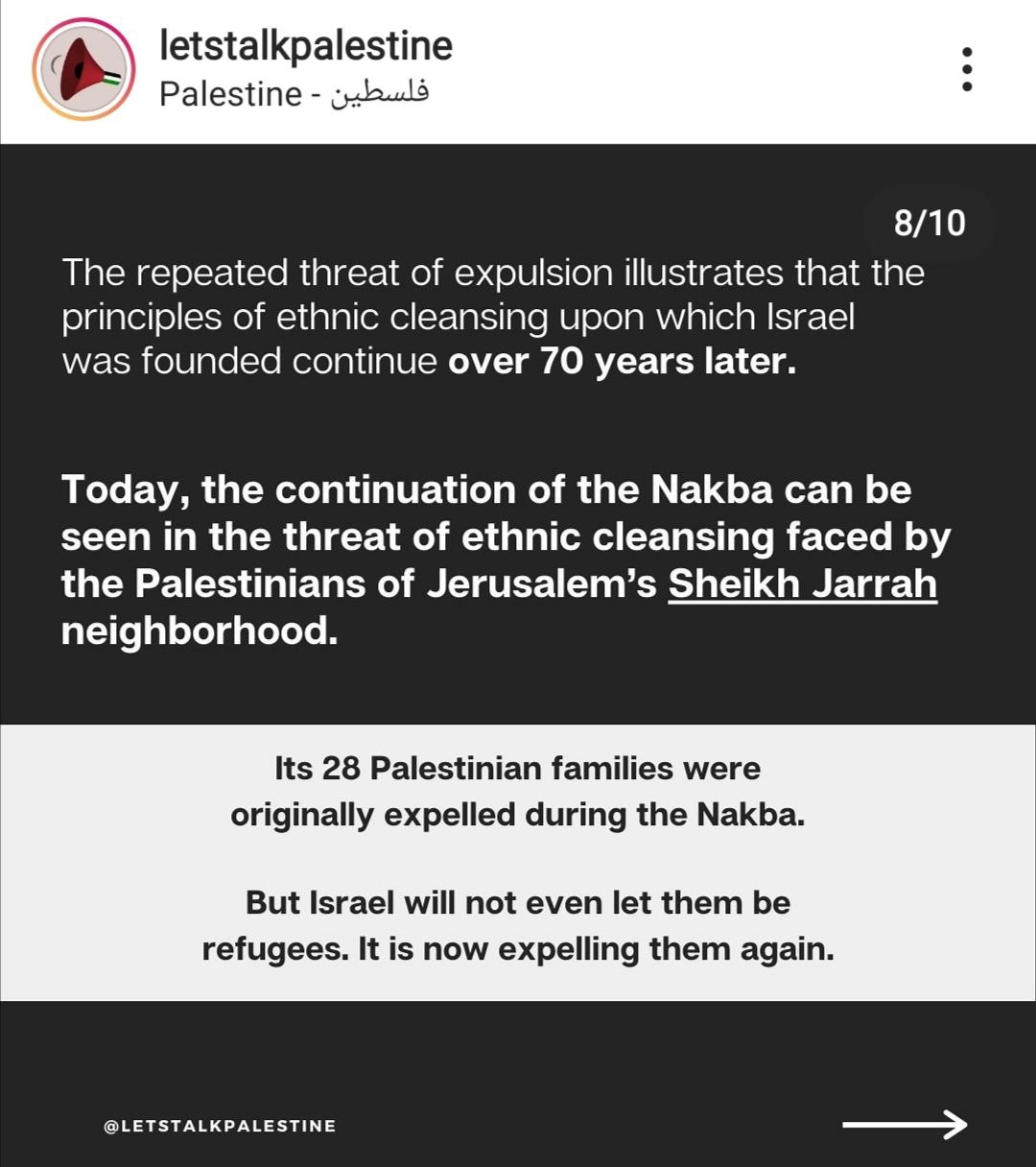
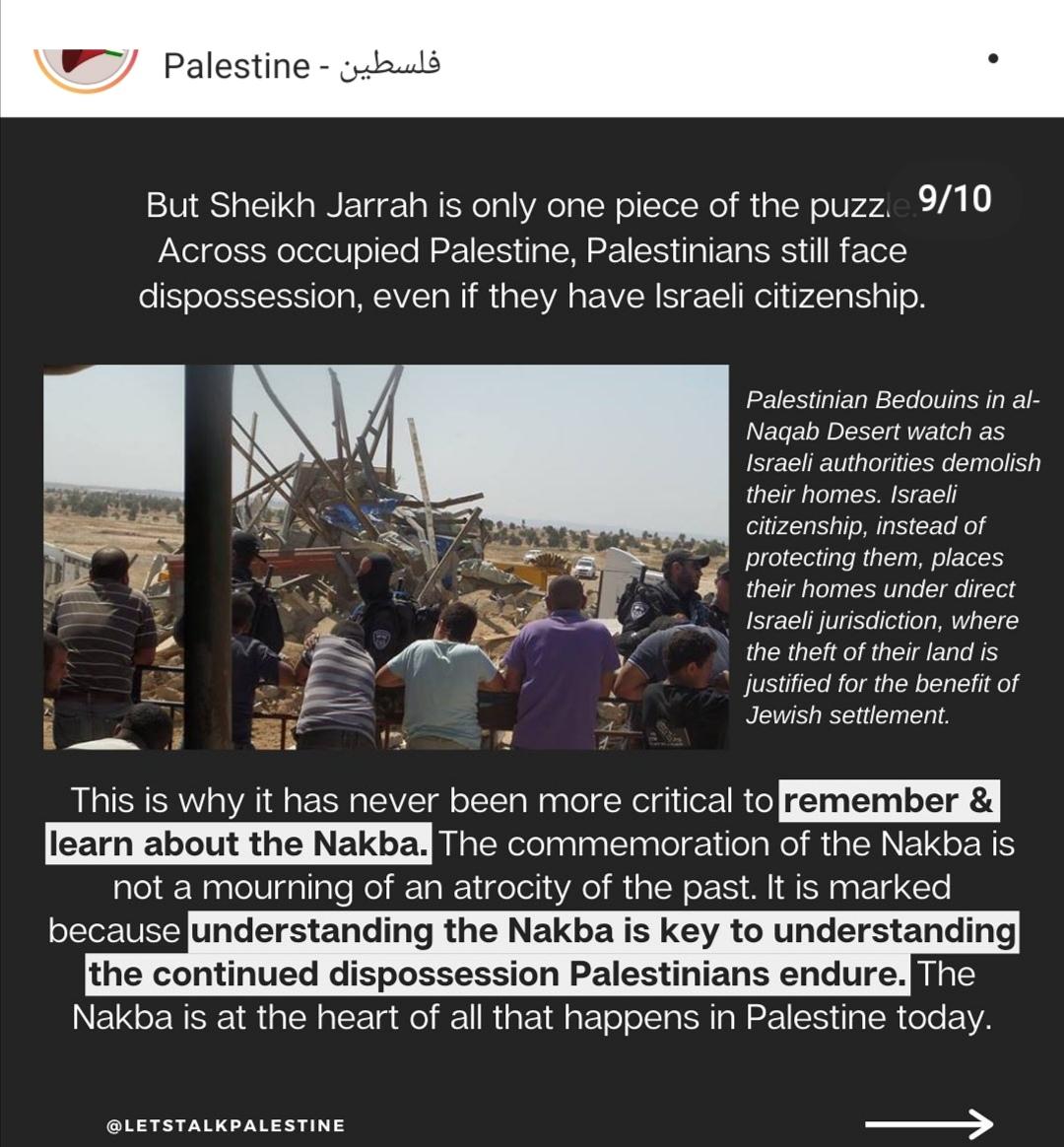
The Nakba Ongoing.... Save Silwan Save Sheikh Jarrah Stories from Gaza Arresting & Detaining Palestinians called "Operation law and order" Storming Al-Aqsa Israeli forces stormed the Al-Aqsa Mosque compound on Monday and fired rubber-coated rounds, tear gas, and sound bombs at Palestinian worshippers The Village of Lifta Lifta was a Palestinian Arab village on the outskirts of Jerusalem. The village was depopulated during the early part of the 1947–48 Civil War in Mandatory Palestine. In July 2017 Israel declared Lifta (called Mei Neftoach) as a national nature reserve. Now to house new Israeli neighborhood
-
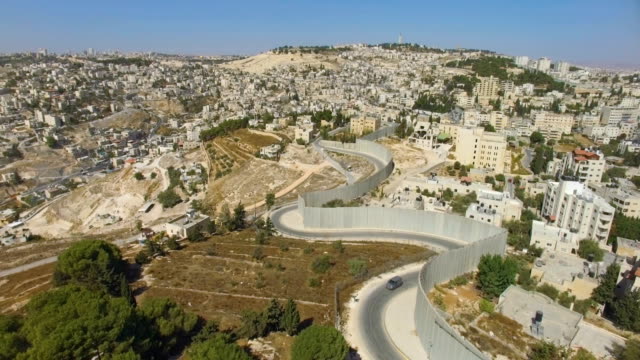
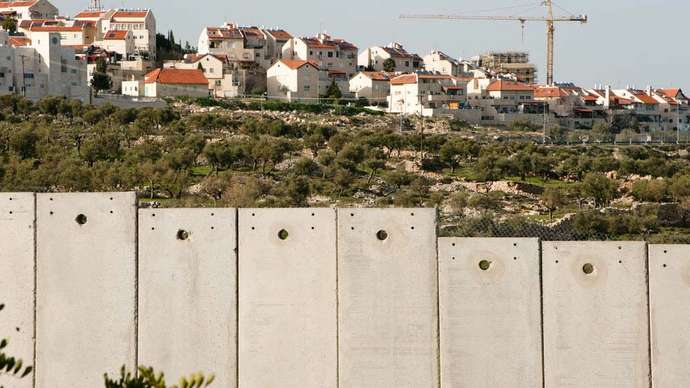
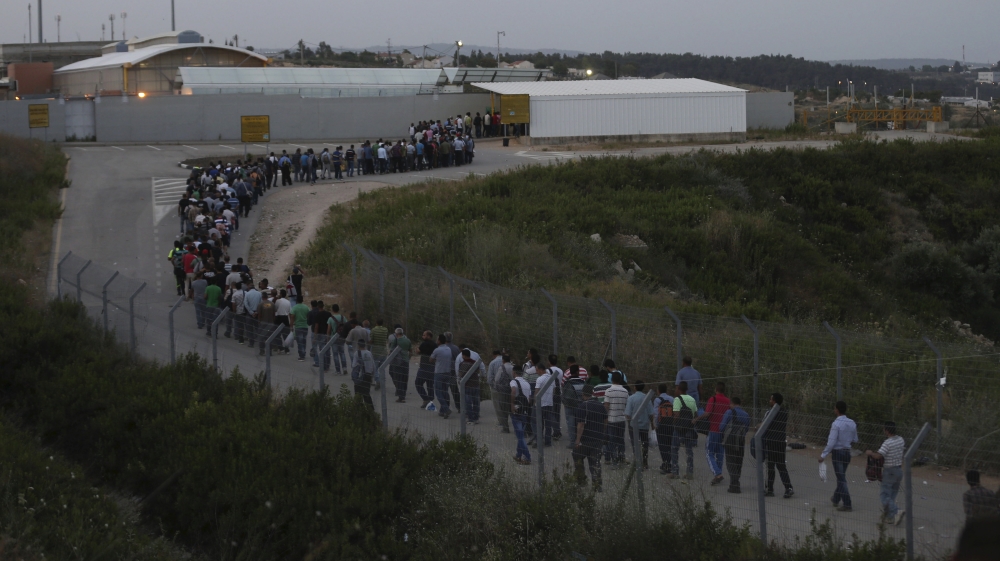
Life in occupied Palestine Confisicating Palestinian land to build Jewish Settlements Gilo, a Jewish settlement in the West Bank, separated by a wall from the Palestinian city of Bethlehem. © Ryan Rodrick Beiler/Shutterstock.com Checkpoints There are hundreds of checkpoints, roadblocks and flying checkpoints in the West Bank, and between Israel and the West Bank where Palestinians must show proof of identification and be searched [Reuters] The Wall In 2002, Israel started constructing the wall, slicing through Palestinian communities, agricultural fields, and farmland. The people of Palestine cannot move freely from one city to another due to the barrier The wall has been described by Israeli officials as a necessary security precaution against “terrorism.” Palestinians, however, have decried it as an Israeli mechanism to annex Palestinian territory as it is built deep within the West Bank and not along the 1967 Green Line, the generally recognised boundary between Israel and the West Bank.
-
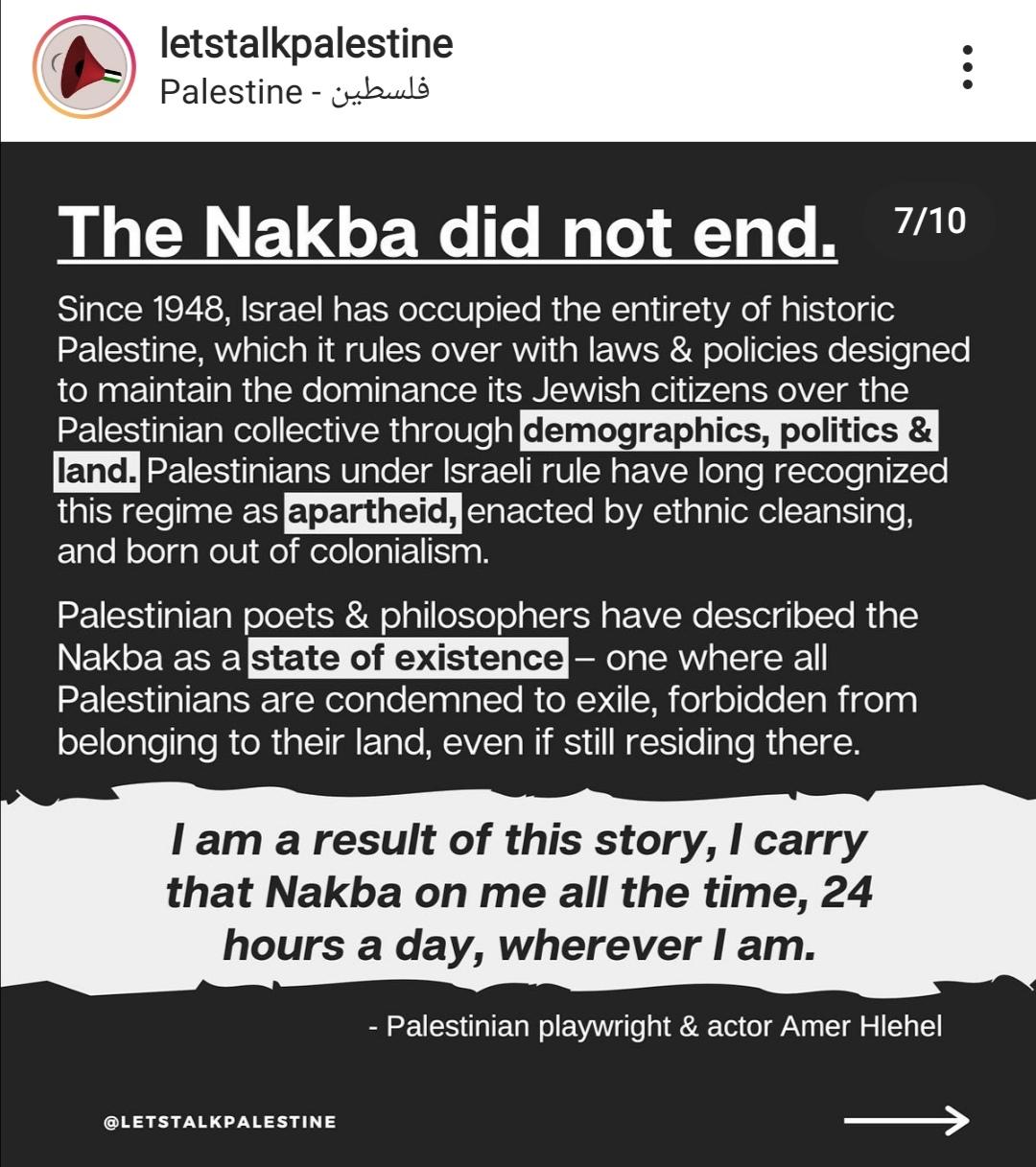
Is the Nakba over?
-
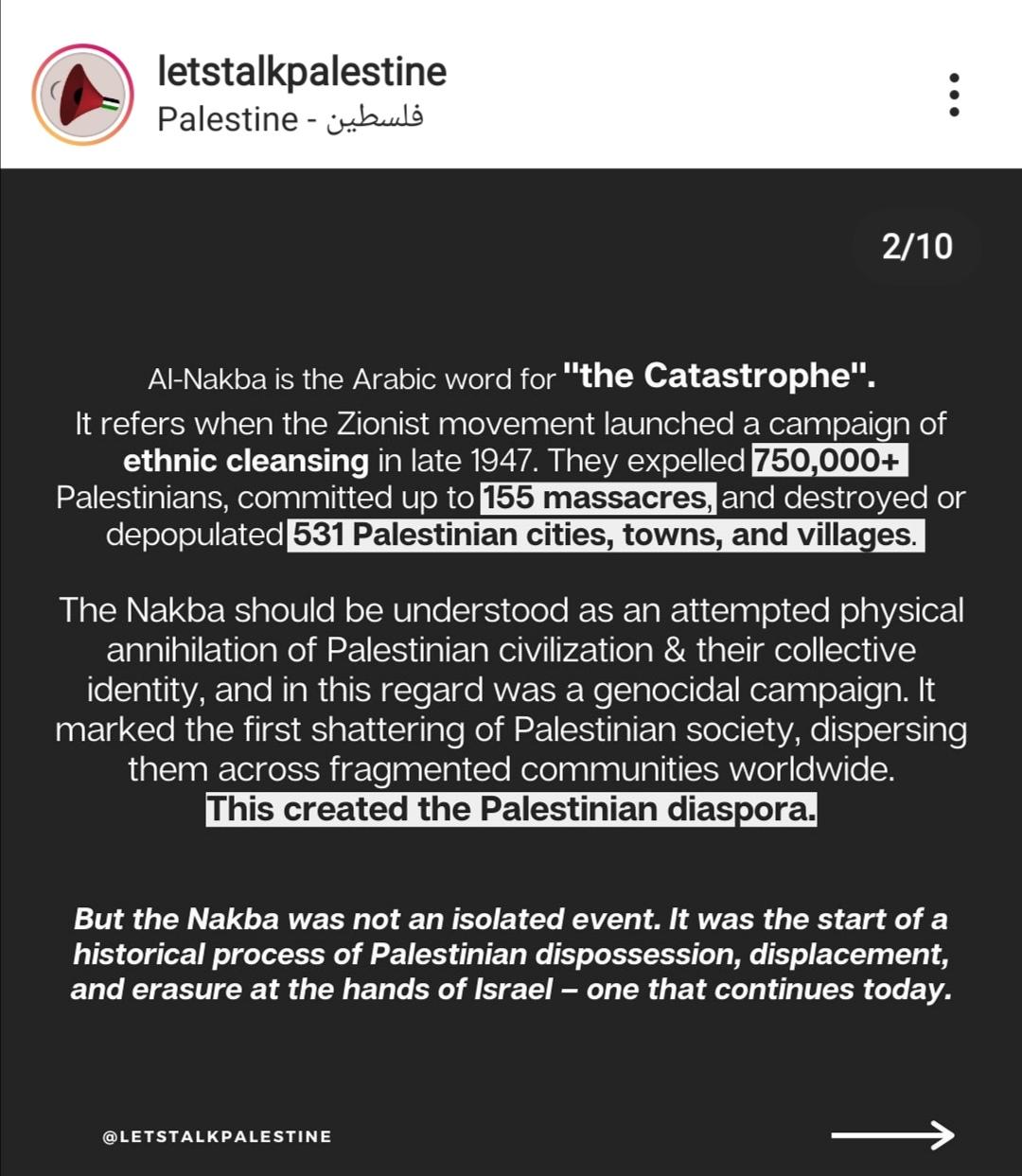
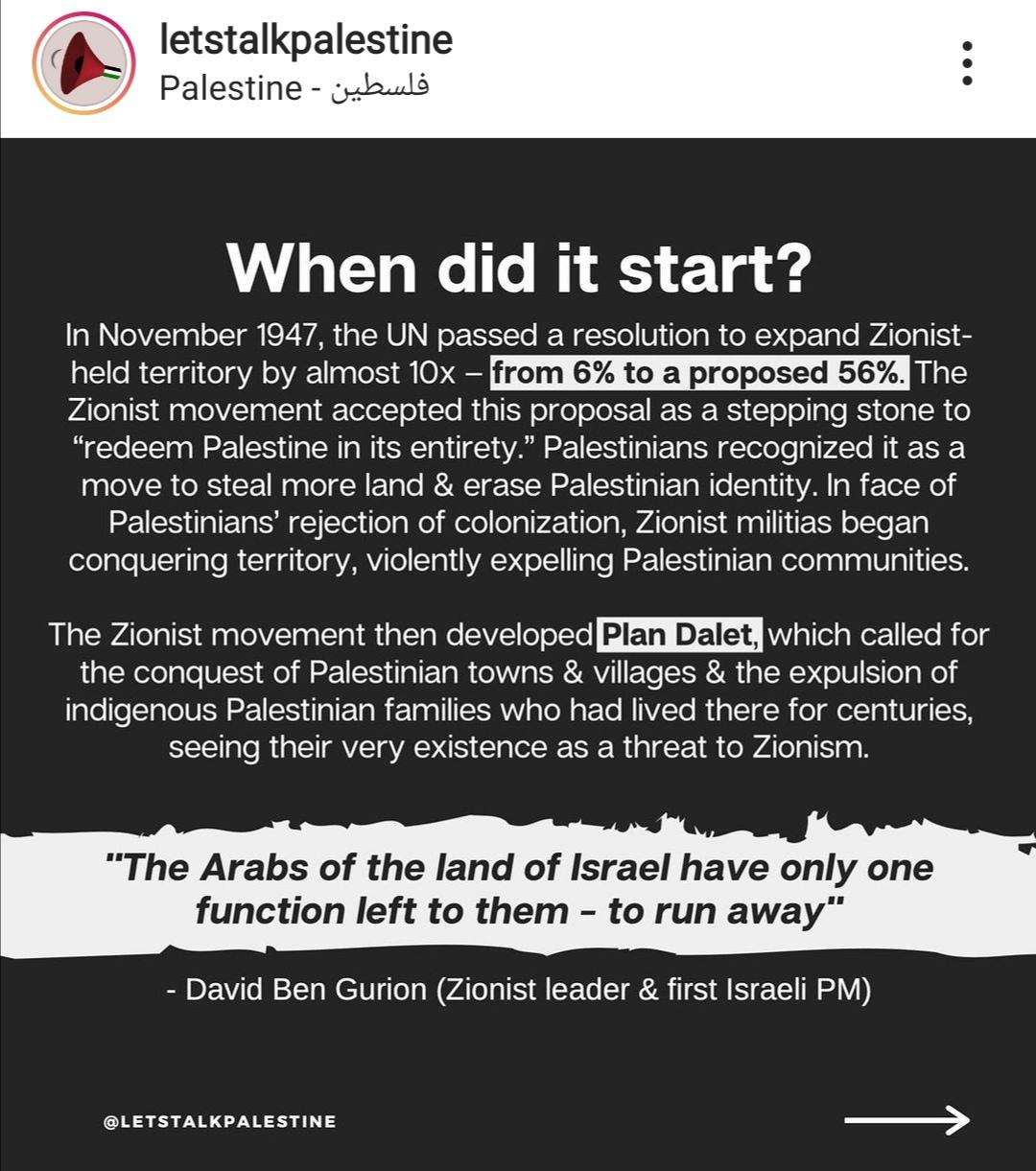
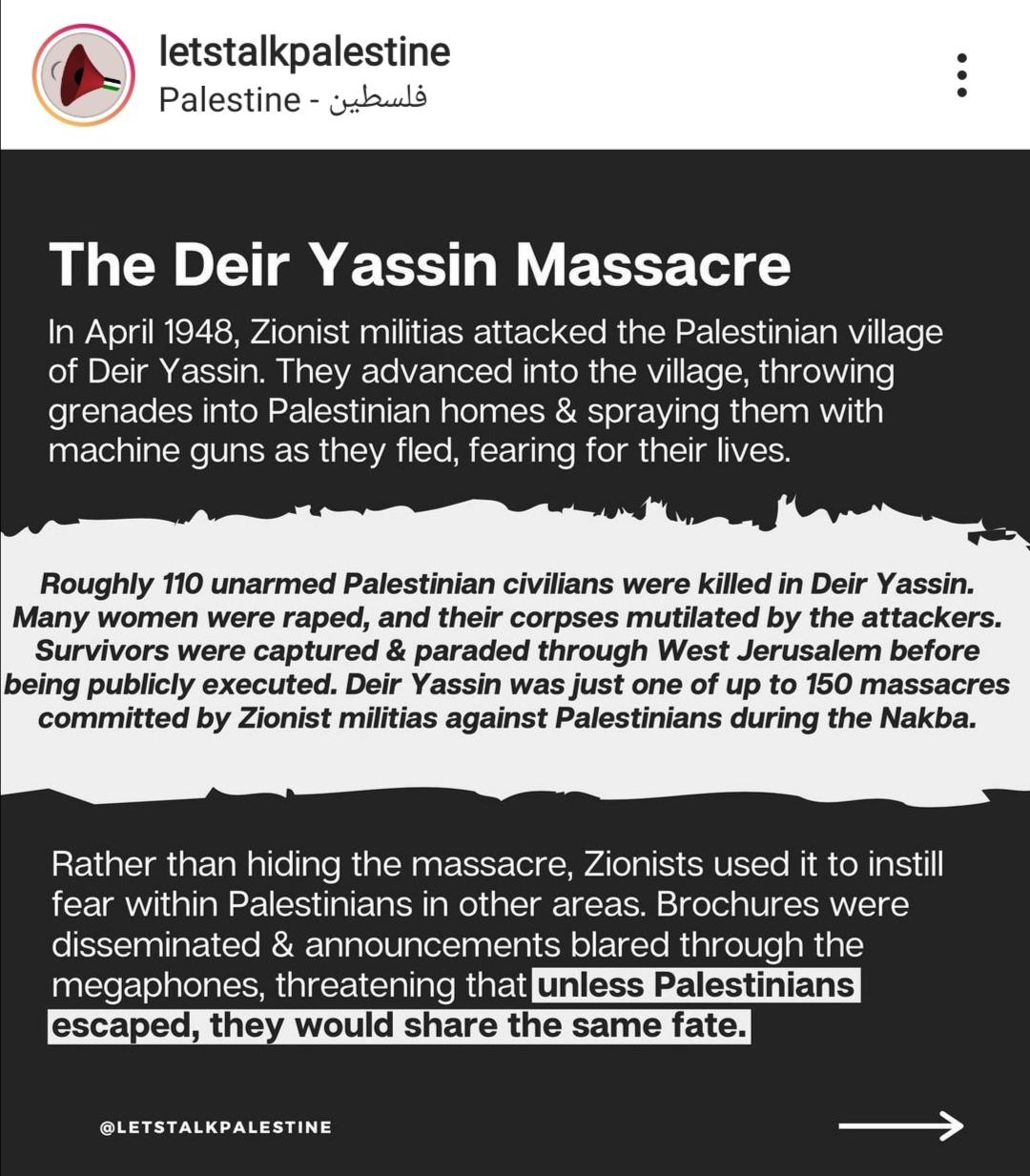
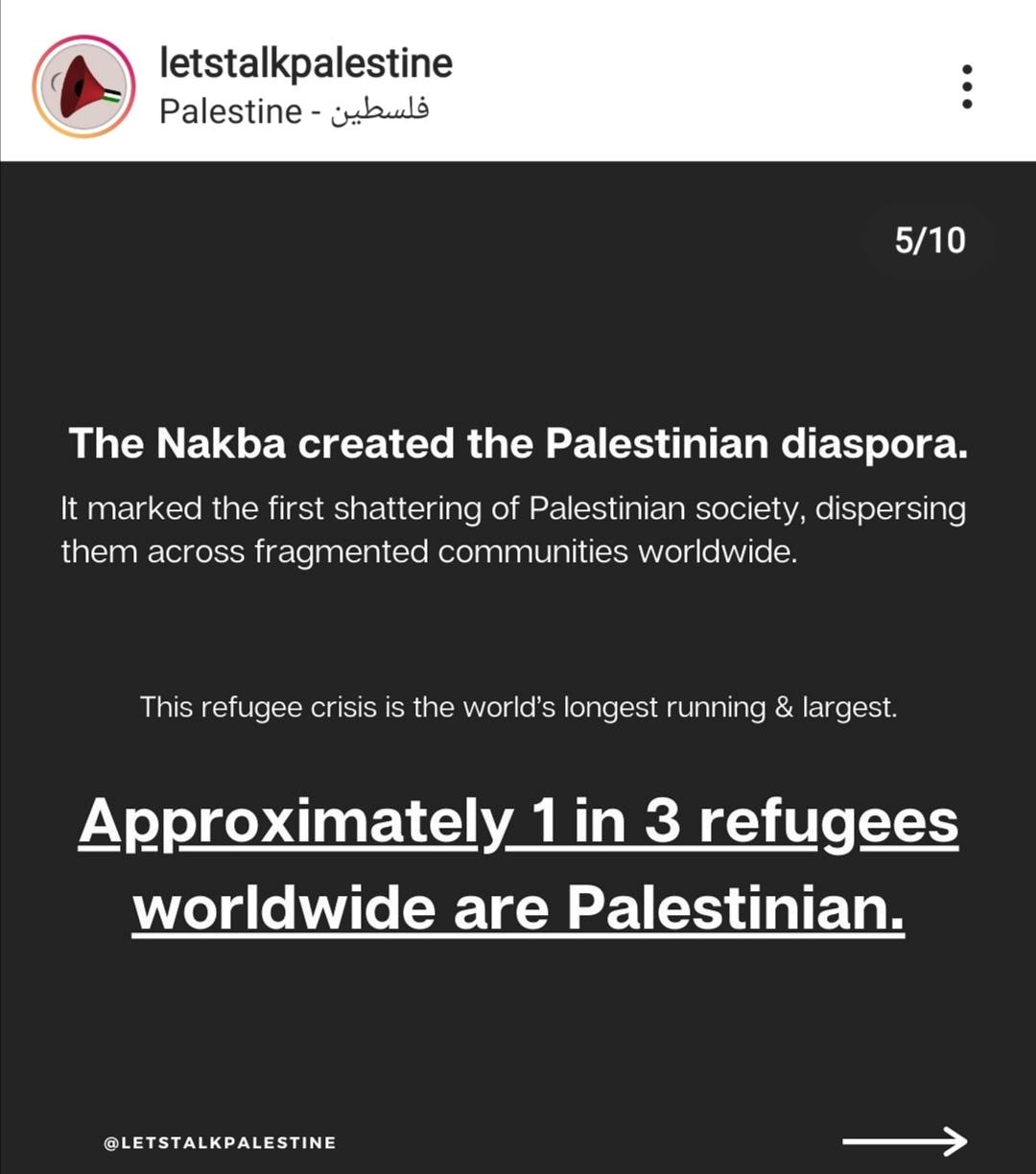
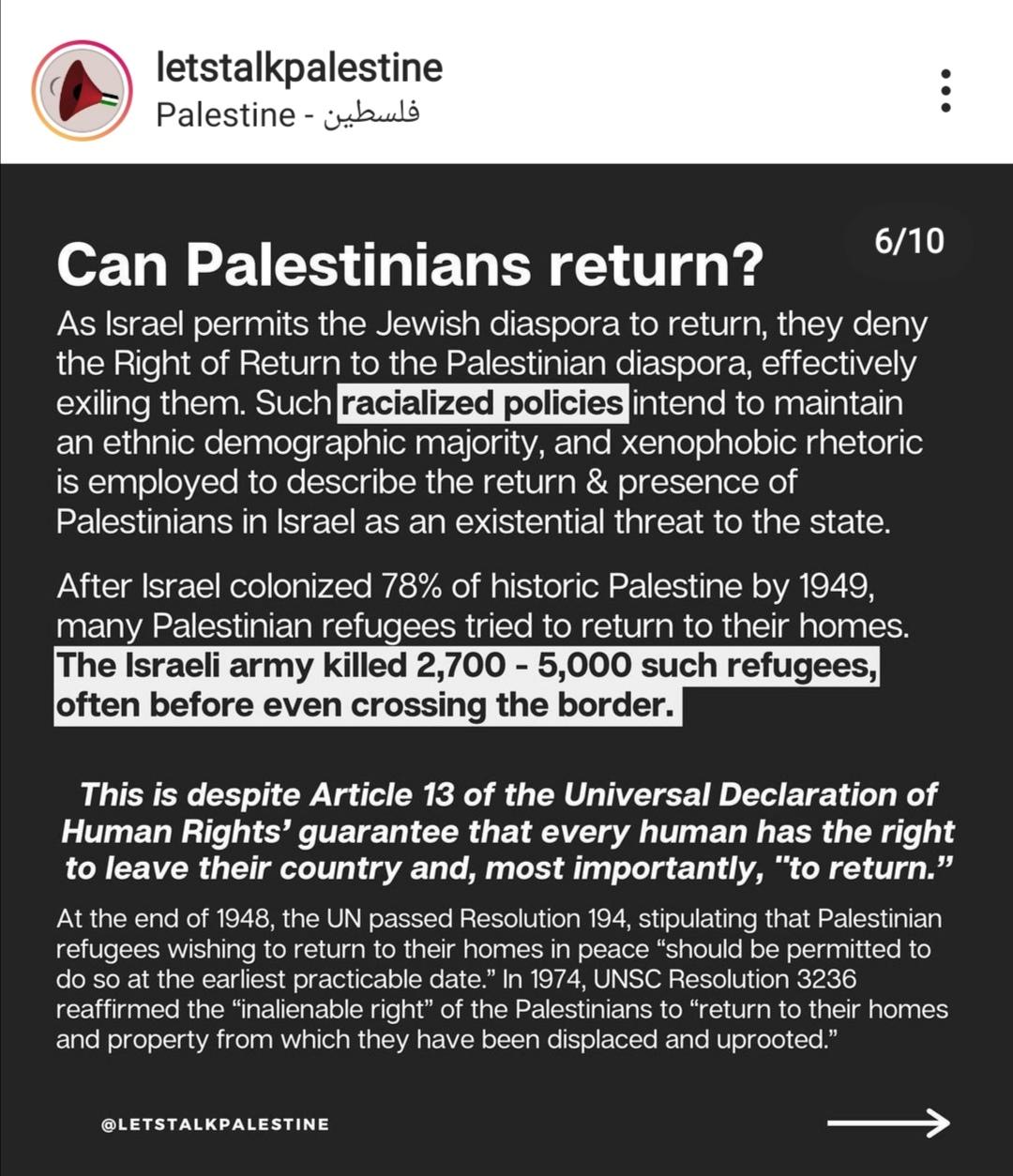
The Nakba (letstalkpalestine)
-
Horrors of the Nakba In less than six months, from December 1947 to mid-May 1948, Zionist armed groups expelled about 440,000 Palestinians from 220 villages. Before May 15, some of the most infamous massacres had already been committed; the Baldat al-Sheikh massacre on December 31, 1947, killing up to 70 Palestinians; the Sa’sa’ massacre on February 14, 1948, when 16 houses were blown up and 60 people lost their lives; and the Deir Yassin massacre on April 9, 1948, when about 110 Palestinian men, women and children were slaughtered. By the first half of 1949, at least 750,000 Palestinians in total were forcibly expelled or fled outside of their homeland. Zionist forces had committed about 223 atrocities by 1949, including massacres, attacks such as bombings of homes, looting, the destruction of property and entire villages. Some 150,000 Palestinians remained in the areas of Palestine that became part of the Israeli state. Of the 150,000, some 30,000 to 40,000 were internally displaced. Like the 750,000 who were displaced beyond the borders of the new state, Israel prohibited internally displaced Palestinians from returning to their homes. In the years that followed the establishment of Israel, the state extended its systematic ethnic cleansing. Though armistice agreements had been signed with Egypt, Jordan, Syria and Lebanon in 1949, the newly founded Israeli army committed a number of additional massacres and campaigns of forced displacement. For example, in 1950, the remaining 2,500 Palestinian residents of the city of Majdal were forced into the Gaza Strip, about 2,000 inhabitants of Beer el-Sabe were expelled to the West Bank, and some 2,000 residents of two northern villages were driven into Syria. By the mid-1950s, the Palestinian population inside Israel had become about 195,000. Between 1948 and the mid-1950s, some 30,000, or 15 percent of the population, were expelled outside the borders of the new state, according to the BADIL refugee rights group. AlJazeera The Nakba Deir Yassin Naser Al-Din Lest we forget My Beit Daras, my Nakba: Two Palestinian intellectuals reminiscing about their destroyed village
-
Why do Palestinians commemorate the Nakba on May 15? The British occupation authorities had announced that they would be ending their mandate in Palestine on the eve of May 15, 1948. Eight hours earlier, David Ben-Gurion, who became Israel’s first prime minister, announced what the Zionist leaders called a declaration of independence in Tel Aviv. The British Mandate ended at midnight, and on May 15, the Israeli state came into being. While Israel celebrates May 15 as its day of independence, the Palestinian people commemorate the Nakba on that day.
-
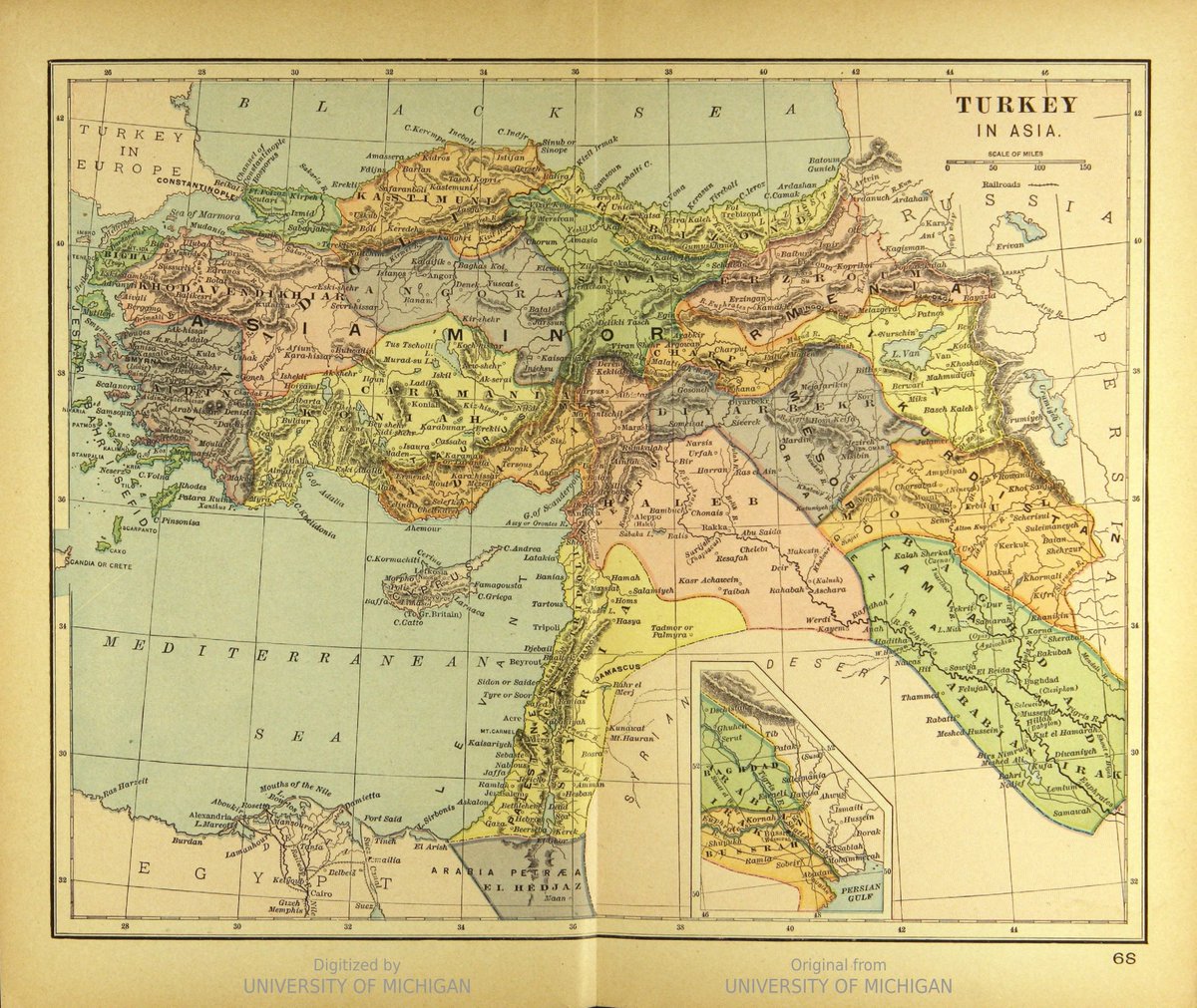
British Involvment After the dissolution of the Ottoman Empire (1517-1914), the British occupied Palestine as part of the secret Sykes-Picot treaty of 1916 between Britain and France to divvy up the Middle East for imperial interests. In 1917, before the start of the British Mandate (1920-1947), the British issued the Balfour Declaration, promising to help the “establishment in Palestine of a national home for the Jewish people”, essentially vowing to give away a country that was not theirs to give. Read more: AlJazeera
-
Zionism The Nakba happened in 1945 however it stemed from the emergence of the Zionist movement founded by Theodore Herlz (1860-1904) in 1896. Zionism can be defined as a political movement. The first Zionist congress convened in Basel in 1897 with 200 delegates from all over Europe. They called for the estbalishment of an exclusive homeland for the Jewish people. This, according to Herlz, would consitute a "solution for the Jewish question" and emancipate the Jewsih people from presecution. Zionism therefore, was not born out of Judaism but out of the European nationalism of the late 19th century. Though some of the movement’s pioneers initially supported a Jewish state in places such as Uganda and Argentina, they eventually called for for building a state in Palestine based on the biblical concept that the Holy Land was promised to the Jews by God. The issue however was that Palestine was already inhabited and the question of what to do about the native Palestinian Arabs took up much of the early discussions of the Zionist movement. The consensus was that the Palestinian natives needed to be removed either by agreement or by force. From 1882 onwards, thousands of Eastern European and Russian Jews began settling in Palestine; pushed by the anti-Semitic persecution and pogroms they were facing in the Russian Empire, and the appeal of Zionism. In the 1880s, the community of Palestinian Jews, known as the Yishuv, amounted to three percent of the total population. In contrast to the Zionist Jews who would arrive in Palestine later, the original Yishuv did not aspire to build a modern Jewish state in Palestine.
-
What is An-Nakba? 15 May 1948 marks the "Nakba" for the Palestinian people. Nakba means "Catastrophe" in Arabic and refers to the destruction of Palestinian society in 1948 when 78% of historic Palestinian land was seized by Zionists for the establishment of the state of Israel. During the fighting, approximately 750,000 Palestinians were expelled from their homes or fled to escape the violence. Most were left destitute and ended up in refugee camps while some rebuilt their lives and prosperity elsewhere. Symbol of the Key Photo Credit: © Amnesty International/Tanya Habjouqa/NOOR The Key is a widely used symbol of the Nakba, as many Palestinians kept the keys to their homes when they were forced into exile in 1948. It did not end there. Israel has been confiscating Palestinian land and bulldozing Palestinian homes with complete impunity. These lands are being used to build illegal settlements to house Israeli citizens, while Palestinians become homeless. 71 YEARS OF SUFFOCATION: STORIES OF PALESTINIAN REFUGEES
-
Palestine Historically Despite popular belief that the Palestine-Israel conflict is thousands of years old, it only really goes back to about the early 1900s. In the late 1800s, Palestine was under Ottoman rule. At the time, the Jewish people accounted for around 3% of the population, Muslims to 87% and Christians 10%. People from all three Abrahamic faiths lived together in relative peace. Palestine on the old map Click on image to enlarge Palestine replaced with "Israel"
-
We will try to present an overview of the story of the people of Palestine, a people displaced from their homes and society, suffering untold persecution and misery which began with the emergence of political Zionism in the 19th century and continues to this day. INDEX 1. Palestine Historically 2. What is An-Nakba? 3. Origin of Zionism 4. British Involvement 5. Why do Palestinians commemorate the Nakba on May 15? 6. Horrors of the Nakba 7. Is the Nakba over? 8. Life in occupied Palestine 9. The Nakba ongoing... 10. Further Reading 11. Mapping Israeli Occupation 12. The Massacre of the village of al-Dawayima
-
A Bargain for Barakah There was once a man who had four sons. When he fell ill (and was nearing his end), one of his sons (was so eager to serve him and enjoy the exclusive privilege of caring for him, that he) told the other three sons, “Either you nurse him in his sickness and forfeit your shares of his estate; or I will nurse him and forfeit my share of the estate.” His brothers were pleased with his proposition and left him to nurse their father on his own. When the father eventually passed away, then as agreed, the son who nursed him did not take any share from the estate. Thereafter, he saw a dream one night in which a person told him that one hundred dinaars (gold coins) were kept at a certain place, and he should take these coins. He asked the person whether the money contained barakah (blessings), to which the person replied in the negative. The following morning, when he related the dream to his wife, she insisted that he should take the money saying, “Having some food to eat and clothing to wear is (sufficient) barakah.” However, he, did not agree. The following night, he again saw a dream in which a person told him of a certain place where ten dinaars were kept. Once again, when he asked if the money contained barakah, the reply was in the negative. He related the dream to his wife the next morning, and she insisted that he should go and take the money, but again, he refused to do so (not wishing to acquire wealth which was devoid of barakah). On the third night, he again saw a dream in which a person told him of a certain place where he could find a single dinaar. This time, when he enquired as to whether it contained barakah, the answer was in the affirmative. He thus went to the described location and took possession of the dinaar. As they required food, he then used the dinaar to purchase two fish which he brought home. Thereafter, when he cut the fish open, he discovered an invaluable pearl in the stomach of each fish! At that time, it so happened that the king was searching for a magnificent pearl to purchase. When he was informed that this man had a unique, magnificent pearl, he bought it from him for thirty mule loads of gold! However, when the king saw the pearl, he declared that the pearl would look best if it was paired with another pearl to match it. The king’s men thus returned to the man and asked him whether he possessed a second pearl which matched the first. When he responded that he did indeed have one, they offered to pay him double the price of the first pearl! The man sold the second pearl to the king, thus acquiring a total of ninety mule-loads of gold. (Musannaf ‘Abdur Razzaaq #21027) Lessons: 1. Serving our parents and caring for them is not a burden – it is a privilege. It is a means of acquiring their sincere du‘aas and securing abundant blessings which will benefit us in this world and the next. If we truly understood the great rewards that lie in store for those who serve their parents with devotion, we would certainly compete with one another for the privilege of serving them. 2. Wealth is earned by many people – but not every person enjoys barakah. Wealth without barakah will not bring any happiness, peace or contentment. In fact, when we lose barakah, due to impermissible business dealings, dishonesty, etc. then the wealth that we earn, will only cause unhappiness, uneasiness and misery. Thus, the caring son in the incident above, gave preference to one dinaar with barakah over one hundred dinaars without barakah. 3. Barakah is such that a person may not see its effect immediately. At times, a person reaps the fruit of the barakah later on, while at other times the barakah one acquires is enjoyed by one’s progeny long after his demise. Al-Haadi
.jpg.c9768490541635f6d73dd37c1a3cf720.jpg)